
Charging Behaviour & Battery Care: Optimising Your EV Experience
Volta Team
EV Infrastructure Experts
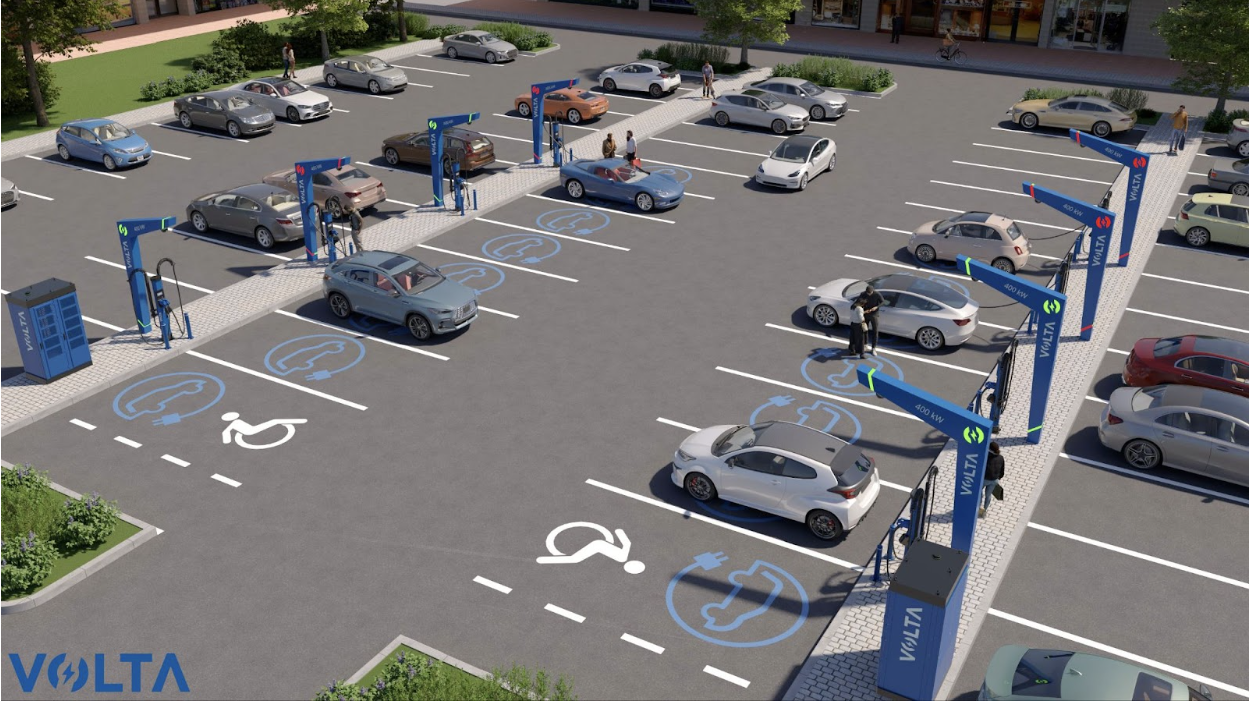
Your electric vehicle isn't just a car — it's a sophisticated battery on wheels. How, when, and where you charge it directly impacts performance, convenience, cost, and long-term battery health. Understanding the right charging habits ensures your EV remains efficient and reliable for years to come.
In this article, we'll answer:
- What are the best charging practices for electric vehicles?
- Is it better to charge at home or use public fast chargers?
- How do different battery types affect how you should charge?
- What's the ideal charge range to extend battery life?
- How do temperature, speed, and charging frequency impact performance?
Let's explore how smart charging behaviour can keep your battery healthy — and your EV ready to go whenever you are.
Why Charging Habits Matter
Every EV battery has a limited number of charge cycles — but the way you charge can dramatically influence how long it lasts. Frequent deep discharges, keeping your battery at 100% for long periods, or relying too heavily on high-power charging can accelerate degradation.
By developing a few simple habits, you can:
- Maximise range on every charge.
- Reduce long-term costs by extending battery life.
- Enjoy consistent performance, even after years of driving.
Think of charging as caring for your car's heart — consistency, moderation, and the right environment make all the difference.
Home vs. Public Charging: Which Is Better?
Home Charging (AC)
Most EV owners charge at home — and for good reason. A 7 kW or 11 kW AC wallbox replenishes a typical EV battery overnight, making it the most convenient and cost-effective method.
Electricity rates are usually lower during off-peak hours, and with smart chargers, you can automate charging to start when prices drop.
Home charging isn't just cheaper — it's predictable. You wake up every morning with a fully charged car, ready for the day ahead.
Public Charging (DC Fast Charging)
Public networks are essential for longer journeys or for those without private parking. High-power DC fast chargers (typically 50–400 kW) can add hundreds of kilometres of range in minutes, transforming road trips into stress-free experiences.
However, fast charging should complement — not replace — your regular home routine. Because it generates more heat, using DC charging occasionally helps preserve the battery's long-term health.
The golden rule: home for routine, public fast charging for the road.
Understanding Battery Types
Not all EV batteries behave the same way — and knowing your chemistry helps you charge smarter.
LFP (Lithium Iron Phosphate)
Common in standard-range EVs, LFP batteries are incredibly durable and tolerate regular 100% charging without significant degradation. Manufacturers even recommend a full charge weekly to help the system recalibrate range estimates.
NMC / NCA (Nickel-Manganese-Cobalt / Nickel-Cobalt-Aluminium)
Used in long-range and performance vehicles, these chemistries offer greater energy density but prefer to stay below 100% charge. Keeping your daily charge between 80–90% helps maintain optimal health and performance.
Understanding your battery type allows you to set appropriate charge limits — directly from your vehicle's software or via your home charger's settings.
Best Practices for Battery Care
Stay in the Sweet Spot
Keep your battery between 20% and 80% for daily use. Avoid leaving the car at full charge for long periods, and don't let it drop below 10% unless absolutely necessary.
Use Scheduled Charging
Most EVs and smart wallboxes allow you to schedule charging sessions to finish just before departure. This keeps the battery warm, efficient, and ready to go.
Balance Fast and Slow Charging
Mixing DC fast charging with regular AC charging is the healthiest approach. Fast charging is safe but generates heat; slower AC charging allows cells to cool naturally, preserving their lifespan.
Temperature Matters
Extreme temperatures — both hot and cold — affect battery chemistry.
- In summer, try to park in shaded areas.
- In winter, precondition your car before charging or driving to warm the battery efficiently.
Your EV battery performs best in the same conditions you do: not too hot, not too cold, and regularly exercised.
Charging on the Go: Travel Smart
Planning long trips with your EV is easier than ever thanks to modern navigation systems that integrate charging stops automatically. Still, knowing a few tricks can make journeys faster and smoother:
- Plan shorter, more frequent stops: Charging from 10% to 80% is faster than pushing from 80% to 100%.
- Use high-power stations: Networks like Volta's offer consistent charging speeds and transparent pricing.
- Precondition your battery: This ensures faster charging and better efficiency, especially in colder weather.
With the right preparation, long-distance EV driving can be as convenient — and often cheaper — than traditional fuel travel.
Charging Etiquette: Powering Together
Public charging is a shared resource. A few small courtesies go a long way toward keeping the system smooth for everyone:
- Move your vehicle promptly once charging is complete.
- Avoid unplugging other cars unless absolutely necessary.
- Coil and replace cables neatly to prevent hazards or damage.
Good etiquette supports a culture of respect — helping every driver enjoy the benefits of a growing EV community.
Looking Ahead: Smarter, Cleaner, and More Connected
The next generation of EV charging will combine AI-driven load balancing, renewable integration, and vehicle-to-grid (V2G) technology. Your car won't just consume electricity — it will help power the grid, store renewable energy, and optimise costs automatically.
Volta is already working toward this future: expanding high-speed charging networks powered by certified renewables and intelligent management systems that balance performance with sustainability.
Charging smarter today builds the foundation for a cleaner, more connected tomorrow.
Key Takeaway
Smart charging habits do more than protect your battery — they protect your investment, your convenience, and the environment. By understanding how your EV charges, adapting to your battery type, and using the right mix of home and public charging, you ensure your vehicle stays efficient, reliable, and ready for every journey.
With Volta's renewable-powered network and smart charging solutions, the future of e-mobility is not only electric — it's intelligent.